The Garden on Wheels: Why Your Old Wheelbarrow is the Next Big Thing in Landscaping
Static gardening
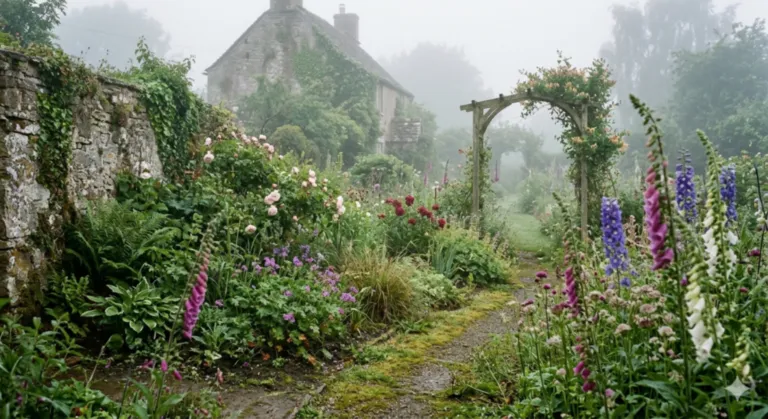
Let’s be honest: gardening can be a bit... static. You plant a rose bush, realize three weeks later that it’s getting scorched by the afternoon sun, and then spend a Saturday morning apologetically digging it back up.
Enter wheelbarrow gardening. It’s the ultimate "life hack" for the indecisive or space-challenged gardener. Whether you’re working with a tiny balcony or a sprawling backyard, turning a wheelbarrow into a mobile flower bed is a mix of rustic charm and peak practicality.

Why Go Mobile?
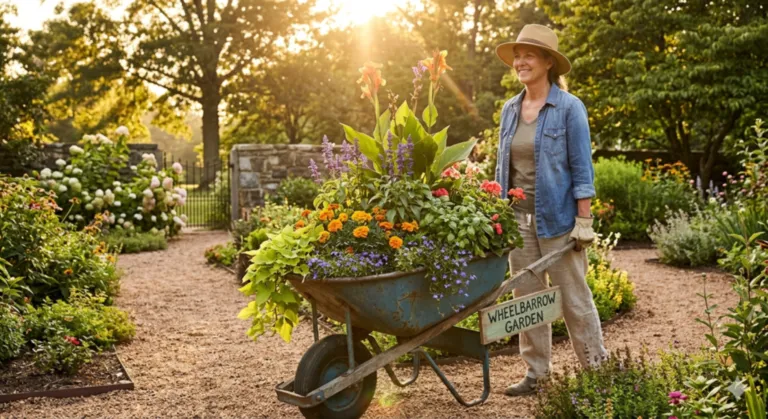
Aside from looking like something straight out of a high-end gardening magazine, wheelbarrow gardens offer some serious functional perks:
Sun Chasing: Is your yard half-shaded? You can literally wheel your plants into the sunlight in the morning and back into the shade when the heat gets intense.
Built-in Drainage: Most old metal wheelbarrows already have a few "character" holes in the bottom. If not, a drill makes quick work of it.
Saves Your Back: Planting at waist height is significantly kinder to your spine than crouching in the dirt for three hours.
The Aesthetic: There is something inherently "cottage-core" about a weathered metal basin overflowing with petunias and creeping jenny.
How to Get Started
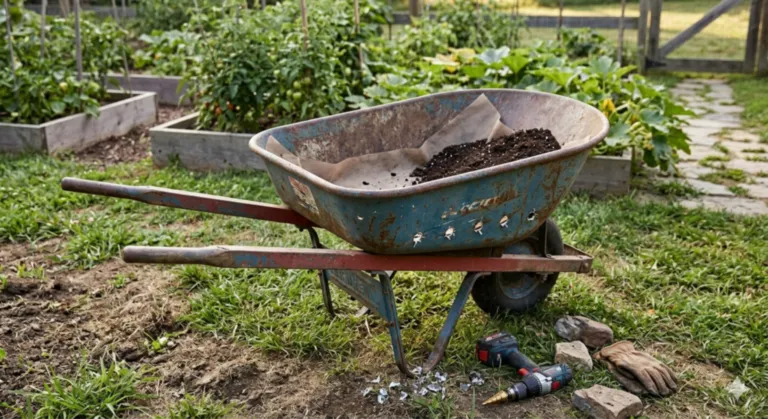
You don't need a brand-new, shiny wheelbarrow from the hardware store. In fact, the rustier and more "experienced" it looks, the better the final result usually is.
1. The Prep Work
If your wheelbarrow is airtight, you must drill drainage holes. While a solid bottom might hold up on a construction site, a garden bed needs an escape route for excess water. Without drainage holes, your plants will be swimming in a metal bathtub the first time it rains—and root rot is a quick way to end the project before it really begins. Aim for about 5–8 holes spaced evenly across the bottom. If you are drilling through metal, consider using a step drill bit. You can see this process in the image below, which features a step drill bit creating holes in a piece of galvanized metal.
2. The Lining
To prevent the metal from overheating the soil (and to slow down further rusting), consider lining the bottom with a layer of landscape fabric or even a thin layer of gravel before adding your soil. Metal absorbs and radiates heat quickly, and the midday sun can turn your metal garden bed into an oven, drying out the soil and baking the roots. A simple barrier between the metal and the soil helps regulate the temperature and protect your plants.
3. The "Right" Soil
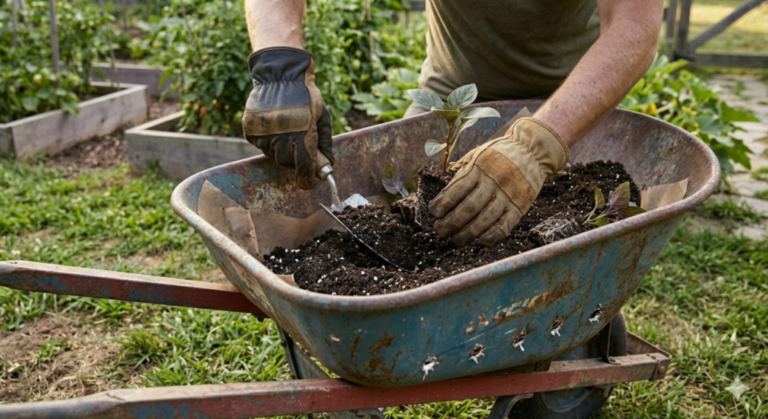
Because a wheelbarrow is essentially a large container, don't just dig up dirt from your yard. Yard dirt is often too heavy, which prevents efficient water drainage and starves plant roots of the air they need to survive. Instead, use a high-quality potting mix. It’s lighter, retains moisture better, and won't compact into a brick over time. Choosing the right soil gives your plants a healthy and supportive foundation, setting the stage for a thriving wheelbarrow garden.
When transforming a vintage wheelbarrow like the one shown into a thriving garden, understanding its unique soil and nutrient needs is essential. While the primary base should be a high-quality potting mix for structure and drainage, incorporating a rich layer of organic compost is crucial for the long-term health and vitality of your plants. This vital addition provides the slow-release nutrients that potting soil alone lacks, mirroring the beneficial organic decay found in a healthy inground garden. Since a wheelbarrow is a relatively shallow and enclosed container, compost becomes an invaluable ingredient for moisture retention and vital microbial activity, ensuring your container garden remains nutrient-rich and productive throughout the growing season.
What to Plant: The "Thriller, Filler, Spiller" Method
To make your wheelbarrow look professional, follow this classic design Trio:
The Thriller: A tall, eye-catching plant in the center (like a Fountain Grass, a Canna Lily, or even a small tomato plant).
The Filler: Mounded plants to take up space around the center (think Geraniums, Marigolds, or Basil).
The Spiller: Plants that trail over the edges to soften the metal lines (Sweet Potato Vine, Lobelia, or Creeping Thyme).
Maintenance Tips for the Road
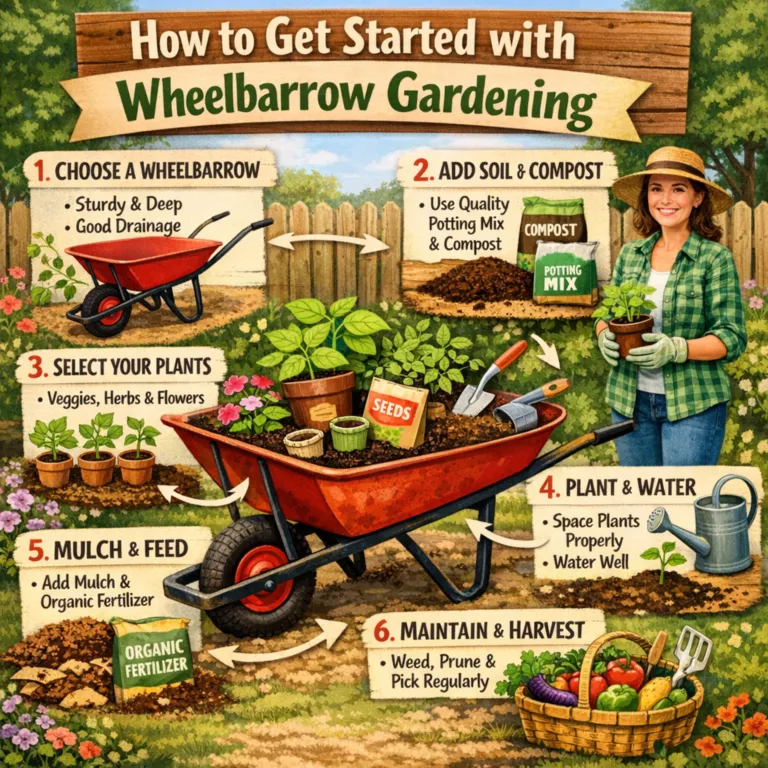
Watch the Water: Metal containers heat up faster than the ground. In the height of summer, your wheelbarrow might need a drink every day.
Check the Tire: If you actually plan on moving it around, make sure the tire is pumped up before you add 100 pounds of wet soil.
Winter Care: If you live in a climate with harsh winters, wheel your garden into the garage or a shed to protect the basin from cracking or excessive rusting.
The Bottom Line:
A wheelbarrow garden is a low-stakes, high-reward project. It’s a conversation starter, a back-saver, and a great way to give an old tool a beautiful second life. So, go find that rusty relic in the back of the shed and start planting!